AI UGC in 2026: From Experiment to Infrastructure
The era of treating AI UGC as a novelty is over. In 2026, it's operational infrastructure—or it's nothing.
This week's platform moves make the shift unmistakable: Google pushing Gemini Spark across Mac ecosystems, Meta monetizing surplus AI compute, and Cloudflare forcing AI companies to pay for publisher data. The signal is clear. The market is maturing from model innovation to distribution, integration, and sustainable unit economics. For brands and agencies, this means one thing: your AI UGC workflow either runs end-to-end or bleeds competitive advantage.
What Changed: From Hype Cycle to Revenue Cycle
Three years ago, AI-generated content was a parlor trick. Two years ago, it was a cost-cutting experiment. Now, in 2026, it's embedded in P&L structures.
Meta's decision to sell excess compute capacity signals that infrastructure scarcity is easing—and that vertically integrated players are extracting margin from horizontal demand. Google's Gemini Spark expansion onto Mac collapses another friction point between ideation and execution. And Cloudflare's content-licensing enforcement? That's the regulatory noose tightening around training data, which directly impacts how AI UGC tools source their models and outputs.
The implication: cheap, unlicensed content generation is a closing window. The agencies and brands winning right now built compliant, documented pipelines before the enforcement landed.
The New AI UGC Stack: Four Layers That Matter
If you're building or buying AI UGC capabilities in 2026, evaluate against this stack:
1. Script & Brief Generation LLM-powered briefs aren't new, but the gap between generic outputs and brand-voice precision is where campaigns die. The best operators train retrieval-augmented generation (RAG) systems on conversion data, not just brand guidelines. If your scripts don't reference what actually drove clicks last quarter, you're generating noise.
2. Avatar & Voice Synthesis Platform-level consolidation is accelerating. Hedra, MakeUGC, and Imagine.art have pushed avatar fidelity to near-indistinguishable levels, but differentiation now lives in customization depth and rendering speed. Two-minute generation cycles are table stakes. The winners are building proprietary avatar libraries tied to performance segments—knowing which face+voice+script combinations convert for which audiences.
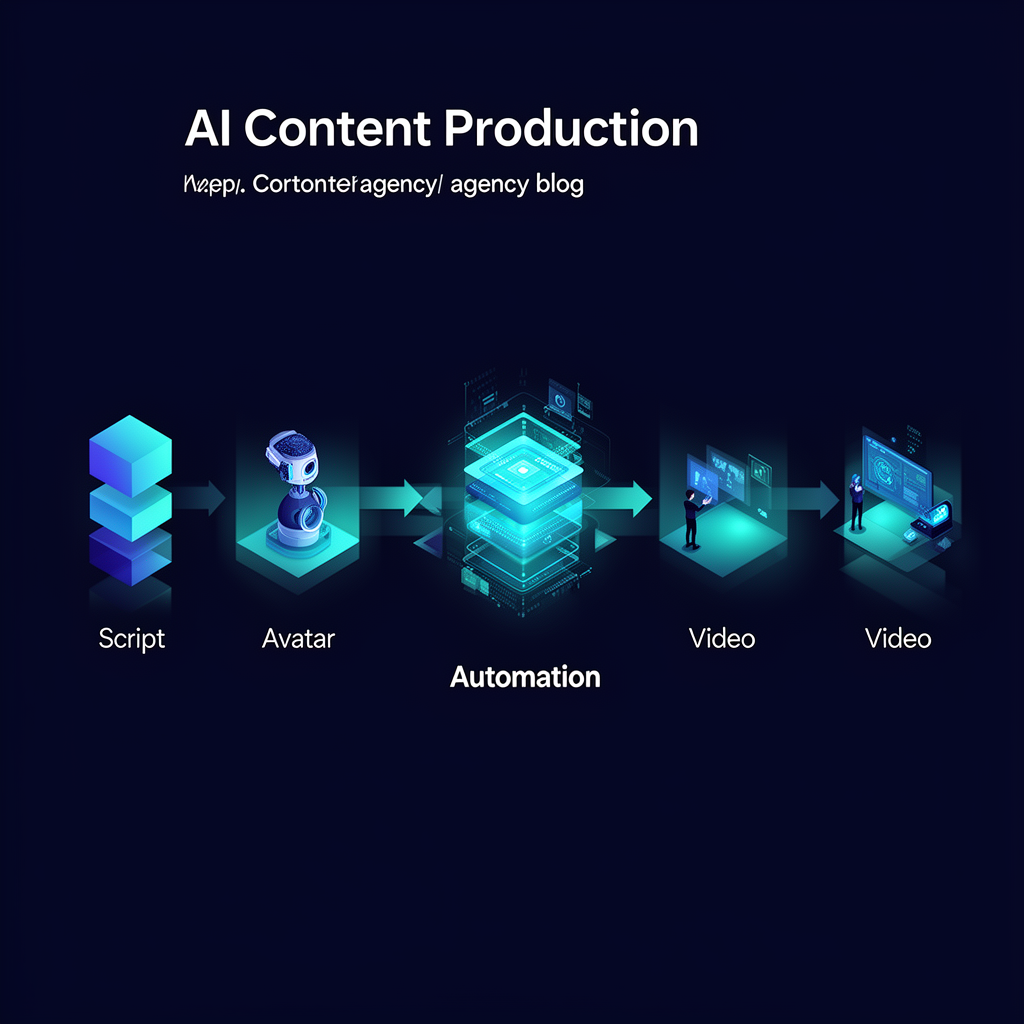
3. Automated Production & Posting This is where Reddit's DigitalMarketing community has been documenting real workflows. SeeDance 2.0 and comparable releases enabled full pipeline automation: script → avatar render → caption → platform-native formatting → scheduled publish. The agencies scaling past 100+ monthly assets aren't touching individual posts. They've built conditional logic—if engagement rate < threshold, trigger variant B with adjusted hook and CTA placement.
4. Compliance & Attribution Documentation Post-Cloudflare enforcement, this layer moved from legal checkbox to operational requirement. Every asset needs provenance: model training data licensing, voice actor agreements, music rights, and platform-specific disclosure compliance. The brands skipping this are accumulating invisible liability.
The Infrastructure-as-a-Service Shift
Meta's compute monetization isn't just a vendor decision—it reframes how agencies should think about capacity planning.
Previously, AI UGC bottlenecks were creative (scripts, concepts). Now they're increasingly computational. Agencies running high-volume operations face a choice: own the infrastructure or rent it dynamically. For most, the answer is hybrid—baseline capacity under contract, surge handled through spot markets. But this requires forecasting discipline that creative teams historically avoided.
The parallel: content automation now demands the same operational rigor as paid media buying. You don't run Facebook campaigns without budget pacing and attribution models. You shouldn't run AI UGC without equivalent production economics.
Agentic Integration: The Real 2026 Battleground
Google's Gemini Spark on Mac matters less as a product announcement and more as a signal: AI agents are becoming ambient infrastructure, not standalone tools.
For AI UGC workflows, this means the editing suite, project management tool, and publishing platform are increasingly agent-orchestrated. The manual handoffs—export from tool A, upload to tool B, schedule in tool C—are being replaced by agent-to-agent negotiation. The agencies investing in agent interoperability standards (not just API connections) are building compounding advantage.
Practical test: Can your system receive a brief, generate three avatar variants, A/B test them across platforms, and reallocate budget to the winner—without human intervention? If not, your competitor is building toward it.
What to Execute This Quarter
Given the current landscape, four moves carry disproportionate return:
- Audit your content licensing exposure. Map every AI tool in your stack to its training data and output rights. Document gaps before they become liabilities.
- Build or buy automated workflow infrastructure. If you're still manually transferring files between tools, you're paying creative talent to do operational work.
- Develop performance-segmented asset libraries. Generic avatars and scripts scale poorly. Build modular components that recombine based on conversion data.
- Pilot agentic handoffs. Start with one workflow step—automated variant generation or dynamic budget reallocation—and expand from proven foundations.
The Bottom Line
AI UGC in 2026 is no longer about whether synthetic content works. It's about whether your operation can produce it faster, cheaper, and more compliantly than alternatives—while integrating into broader marketing systems that demand attribution, agility, and scale.
The platform moves this week reward organizations that treated AI UGC as infrastructure from the start. For everyone else, the window for catch-up construction is narrowing.