AI UGC & Content Automation: The 2026 Playbook
The Regulatory Tightrope: Why Compliance Is Your New Competitive Advantage
The landscape of AI marketing has shifted from a wild west of unrestricted generation to a regulated environment where liability and authenticity are paramount. With recent regulatory pressure on frontier model releases and new legal precedents regarding AI-generated outputs, brands can no longer treat AI content as an afterthought. The tightening regulatory environment creates a distinct bifurcation in the market: brands that ignore compliance face reputational and legal risks, while those that integrate robust oversight into their content automation workflows gain a trusted, scalable advantage.
This shift is not merely a hurdle; it is an opportunity to build trust. Consumers are becoming increasingly savvy about synthetic media. By adopting transparent, compliant AI UGC strategies, HybridAI Media helps brands turn this scrutiny into a brand asset. The key is not to hide the AI, but to engineer it with integrity, ensuring that every piece of automated content meets emerging legal standards while maintaining the human touch that drives engagement.
Infrastructure Wins: Lower Costs, Higher Fidelity
While regulation tightens, the underlying infrastructure supporting AI marketing is expanding rapidly. Significant investments in compute and model optimization are driving down the cost of high-fidelity AI UGC production. For agencies and in-house teams, this means the barrier to entry for creating professional-grade video content is lower than ever.
We are seeing a dramatic improvement in the cost structure for video generation. What once required expensive studio setups and lengthy production cycles can now be executed in minutes using advanced agentic workflows. This efficiency allows for rapid A/B testing of creative assets, enabling marketers to iterate on hooks, scripts, and visuals at a pace previously impossible. The result is a content engine that is not only cheaper to run but also more responsive to real-time performance data.
The Rise of the Agentic Content OS
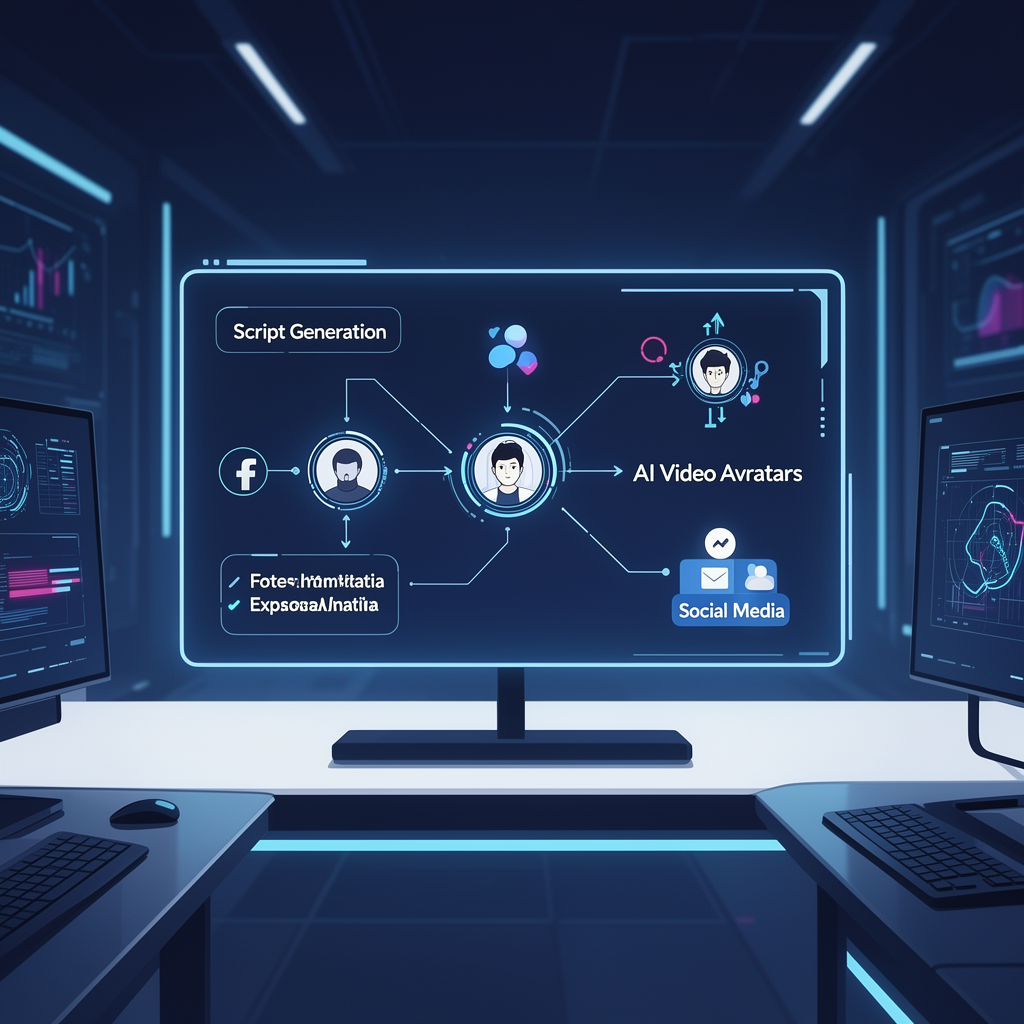
The future of AI marketing is not just about generating individual posts; it is about orchestrating entire content ecosystems. The integration of AI agents into a central Operating System (OS) allows for end-to-end automation, from script generation to final publishing. This approach moves beyond simple text or image generation to complex, multi-modal workflows that mimic the decision-making process of a human content team.
By leveraging AI agents, brands can automate the entire lifecycle of a campaign. An agent can analyze trending topics, draft scripts, generate video assets using AI UGC tools, schedule posts across platforms, and even monitor performance to adjust future creative directions. This level of automation ensures consistency and scale, allowing brands to maintain a dominant presence in their niche without proportionally increasing headcount. The focus shifts from manual execution to strategic oversight and creative direction.
Navigating Liability: Best Practices for AI-Generated Content
As liability precedents for AI outputs become clearer, brands must establish strict governance protocols. This includes implementing watermarking for synthetic media, maintaining audit trails for AI-generated assets, and ensuring that all content complies with platform-specific guidelines. Failure to do so can result in account suspensions, legal action, or severe brand damage.
HybridAI Media advises a "human-in-the-loop" approach for high-stakes campaigns. While content automation handles the heavy lifting, human reviewers should validate the final output for brand safety, factual accuracy, and emotional resonance. This hybrid model ensures that while the speed and scale of AI are leveraged, the nuance and accountability of human judgment are preserved. It is a pragmatic balance that satisfies both regulatory bodies and discerning audiences.
Actionable Steps for 2026
To stay ahead in this evolving landscape, brands should take the following steps:
- Audit Your Current AI Usage: Review all existing AI-generated content for compliance with current regulations and platform policies. Identify gaps in transparency and liability protection.
- Invest in Agentic Workflows: Move beyond single-tool solutions. Implement an AI agent system that can manage multi-step content creation processes, reducing manual intervention and increasing consistency.
- Prioritize Authenticity in AI UGC: Use AI tools to create content that feels genuine and relatable. Avoid overly polished or robotic outputs that alienate audiences. The goal is to enhance human creativity, not replace it.
- Monitor Regulatory Developments: Stay informed about changes in AI legislation and platform policies. Adapt your content strategies proactively to avoid disruptions.
- Leverage Infrastructure Gains: Take advantage of lower costs and higher quality in AI video generation to increase your content volume and testing frequency.
Conclusion
The convergence of regulatory clarity, infrastructure improvements, and advanced AI agents is reshaping the AI marketing landscape. Brands that embrace these changes with a focus on compliance, authenticity, and automation will thrive. Those that resist or ignore them will fall behind. At HybridAI Media, we are committed to helping brands navigate this new era, turning potential risks into powerful opportunities for growth and engagement. The future of content is automated, but it must remain human at its core.