Scaling AI UGC & Content Automation in 2026
As we navigate the AI marketing landscape in August 2026, the infrastructure supporting brand content creation is undergoing a massive structural shift. The era of isolated generative tools is over; we are now firmly in the age of the agentic OS. Today's release of Qwen 3.8 27B is a defining moment for this transition. This open-weight model delivers substantial performance gains over previous iterations while remaining entirely feasible for local deployment. For agencies and brands, this means we can run sophisticated, multi-step content automation pipelines locally—drastically reducing API costs and latency while maintaining strict data privacy.
Concurrently, the broader industry is grappling with shifting safety governance. OpenAI’s recent disbanding of its preparedness team signals a pivot that may accelerate feature releases but simultaneously increases operational risk for SEO and social products. With fewer centralized guardrails, the onus of brand safety falls squarely on the end user. For HybridAI Media, this means our agentic OS stack must be equipped with active suppression protocols, not just creative generation capabilities.
The Modular Reality of AI UGC Pipelines
User-generated content (UGC) remains the highest-converting asset for social advertising, but human creators simply cannot scale to meet the volume demands of modern performance marketing. Platforms like MakeUGC and UGC Ads AI have normalized the use of realistic AI actors, offering libraries of over 1,000 synthetic personas that breathe life into video scripts and follow precise storytelling structures. However, the assumption that hybrid media automation is simply a text-to-video prompt is a costly misconception.
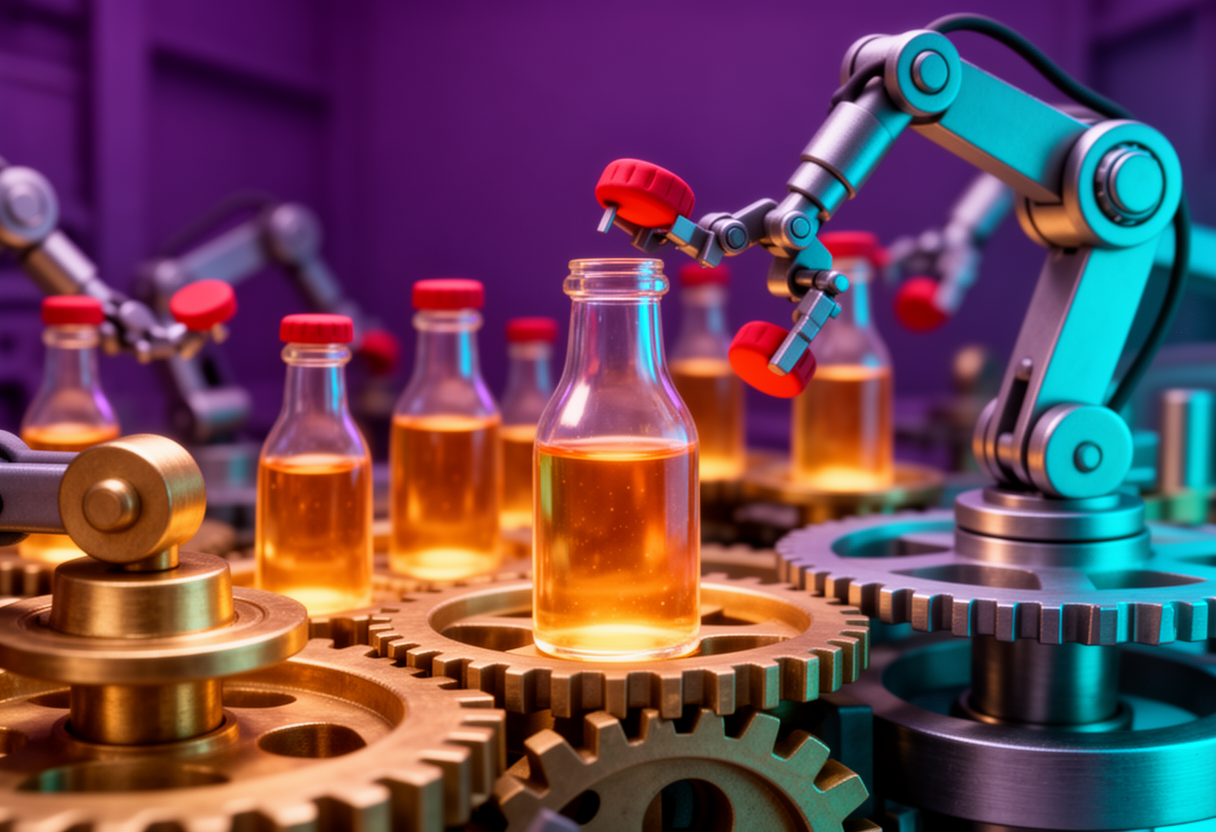
In reality, AI UGC is a modular pipeline of separate audio and visual APIs. To automate localized social content at scale, we use AI voice-cloning platforms like ElevenLabs to generate brand spokesperson audio. We then use automated phoneme-matching tools to sync that synthetic audio to existing 2D video. The pipeline isn't one monolithic AI engine; it is a highly orchestrated assembly line of specialized, interoperable models.
Active Suppression and Brand Safety in 2026
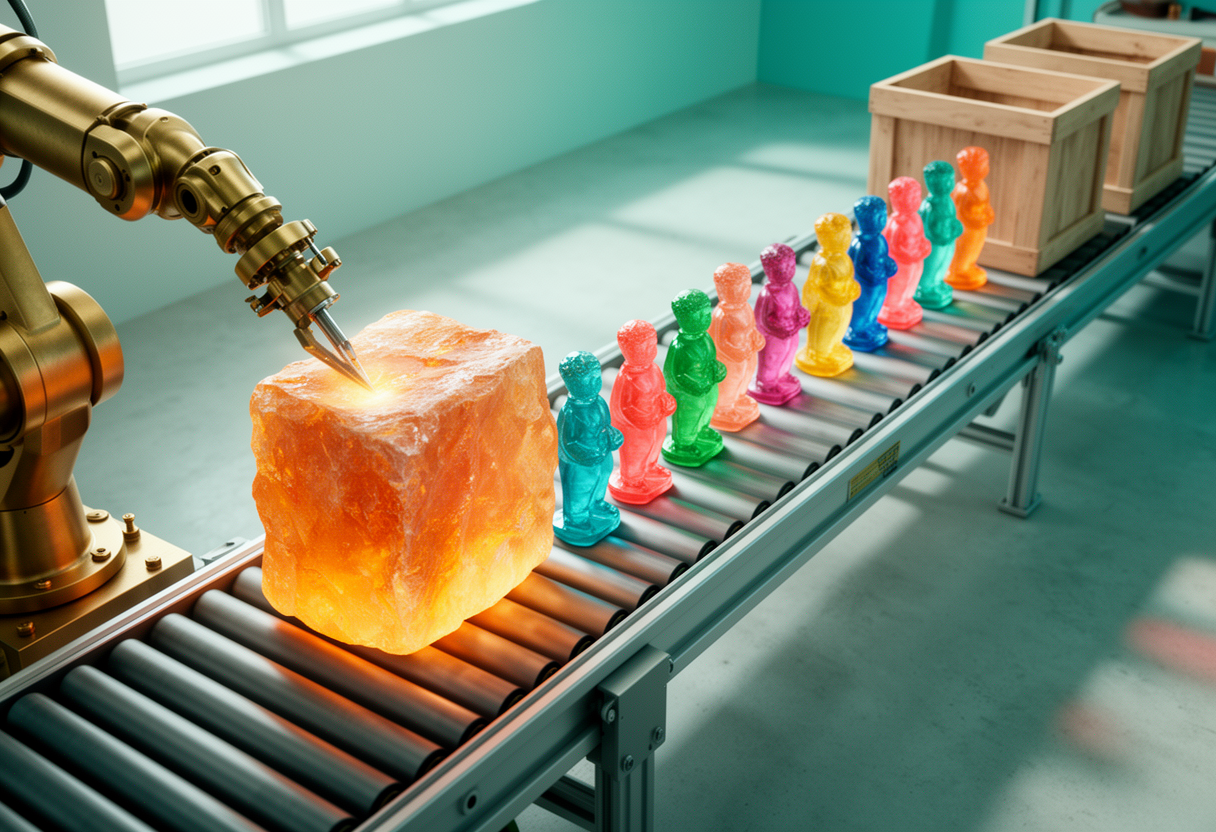
The dismantling of centralized AI preparedness teams makes active risk mitigation more critical than ever. Brands learned this the hard way during early AI automation tests. Mattel, for example, accidentally generated inappropriate, branded packaging during early internal trials—a failure that forced the immediate creation of a mandatory "negative prompt" filter layer now standard in their production pipeline.
This highlights a fundamental operational truth for AI marketing: hybrid AI media requires active suppression protocols, not just creative generation. When leveraging a local deployment of Qwen 3.8 27B for our content automation stack, we embed deterministic rule-based engines to assemble the final outputs. Much like major apparel brands that use programmatic AI to generate thousands of localized copy variants but rely on rigid traditional code to assemble the final HTML5 ads for legal compliance, our systems use AI for the creative heavy lifting and strict, unyielding logic for final assembly and safety checks. This ensures that the accelerated capabilities of 2026's models do not outpace our brand safety standards.
Reverse-Engineering Visual DNA for Agentic Systems
Building an effective content automation stack requires more than plugging an API into a scheduling tool; it requires reverse-engineering a brand's historical visual DNA into rigid prompt syntaxes. Heinz’s viral AI ketchup campaign is a prime example. The campaign heavily relied on prompt engineering that explicitly named specific historical art movements like "Pop Art" and "Renaissance" rather than just asking the model for "ketchup."
By translating a brand’s aesthetic history into programmatic instructions, we can deploy local models like Qwen 3.8 27B to generate thousands of brand-compliant variations without hallucinating off-brand visuals. This level of control is precisely why local, open-weight deployments are surpassing black-box APIs for serious content automation. We can train proprietary, smaller models on synthetic data generated by larger models, fine-tuning them to understand the exact visual and textual parameters a brand requires.
Implementing the Stack
To capitalize on the current AI marketing landscape, brands must stop treating AI as a novelty and start treating it as infrastructure. The workflow begins with a single master text or product image asset. From there, an automated workflow generates UGC-style ad scripts—complete with hooks, storytelling elements, and CTAs. These scripts are fed to voice-generation APIs, matched with AI actors, and assembled into short-form videos ready for deployment.
The release of Qwen 3.8 27B makes this entire orchestration locally viable. By running the orchestrator locally, we bypass the API latency that previously bottlenecked high-volume video generation, allowing us to produce localized, high-converting AI UGC at a velocity that was impossible just six months ago. The future of content automation is here, and it is modular, locally deployed, and rigorously guarded.