Scaling AI UGC & Content Automation for 2026 Brands
The AI landscape has shifted dramatically this July 2026. Anthropic’s Opus 5 launch is dominating the landscape, offering a cheaper, less restrictive alternative to Fable that directly challenges our current reliance on Qwen and GLM for high-complexity agentic tasks. Simultaneously, a coalition of major tech firms is successfully pushing back against US open-weight restrictions.
For brands, this signals a highly favorable regulatory environment for local-hosted inference stacks. At HybridAI Media, we are leveraging this exact convergence to build aggressive, automated content engines. The era of isolated AI experiments is over. In 2026, AI marketing demands fully integrated, autonomous systems that generate, optimize, and distribute media without constant human friction.
The Rise of the Fully Automated AI UGC Pipeline
Platforms like MakeUGC have proven that generating realistic AI actors is no longer a technical bottleneck. With libraries of 1000+ realistic synthetic personas, the challenge has shifted from creation to workflow integration. The real value in 2026 isn't just having an AI face read a script—it’s building the automated workflow from generating AI UGC to posting it across multiple channels natively.
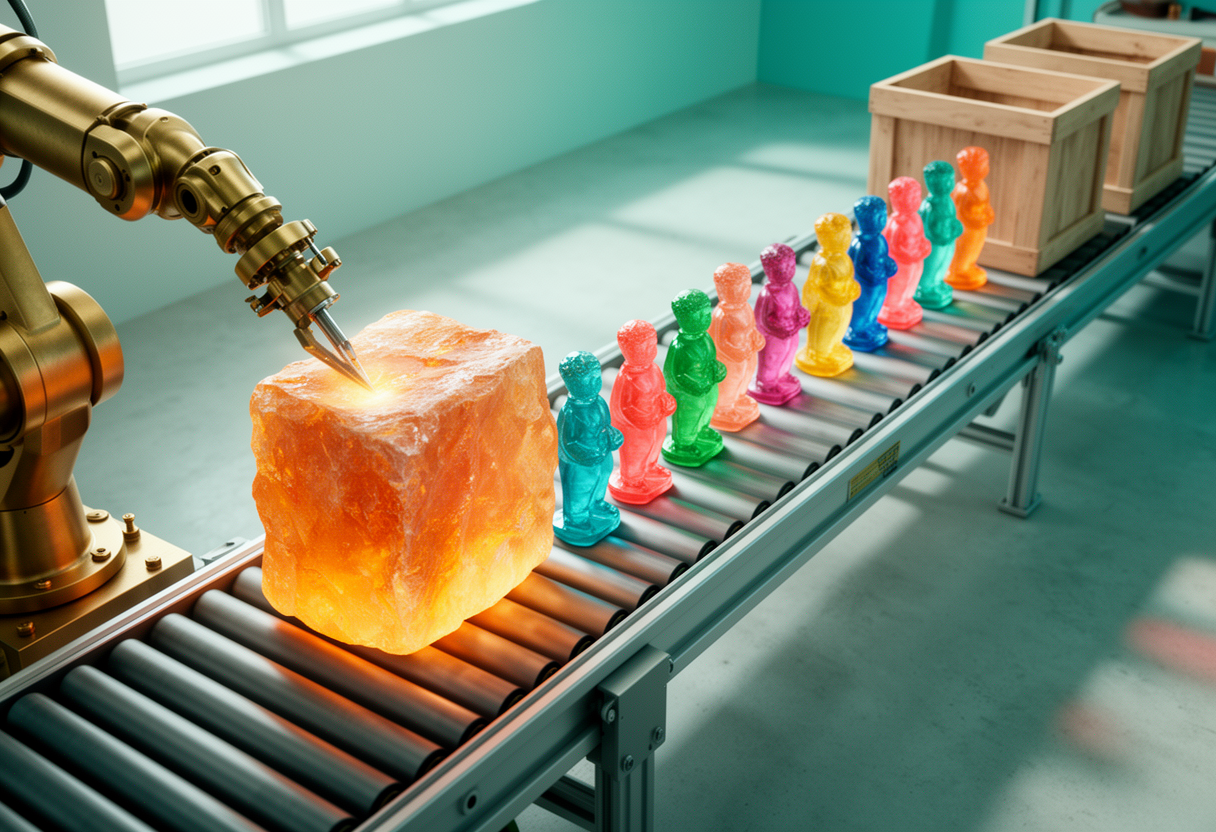
By leveraging open-weight models on our local-hosted inference stack, we bypass the exorbitant API costs and strict content filters that previously throttled high-volume video generation. We can now spin up thousands of video permutations, test them, and feed the winning variations back into the system.
The Hidden Reality of Content Automation Headcount
There is a pervasive myth that AI-native workflows instantly eliminate human labor. The reality of high-end content automation is far more nuanced. In our experience at HybridAI Media, a hybrid AI workflow for a major brand often requires more human labor hours than traditional production. Why? Because true "automation" actually drives a massive increase in manual curation, inpainting, and frame-by-frame correction to fix AI anatomical failures and visual hallucinations.
We aren't reducing our creative teams; we are shifting them from creators to curators and systems managers. The automation handles the heavy lifting of asset generation, but human operators must rigorously quality-control the outputs, refine the agentic prompts, and stitch together the final flawless composite. AI is an ingredient, not the entire meal.
Navigating IP and Copyright in Synthetic Media
As AI UGC scales, legal frameworks remain a massive anchor. The US Copyright Office has repeatedly denied copyright protection for AI-generated media, ruling that a brand cannot claim exclusive rights to an image solely because it provided the text prompt. Brands assume "prompting" equals authorship, but legally, it is considered uncopyrightable direction.
This is exactly why we study how major brands legally bypass AI copyright ambiguity. Take the Coca-Cola "Create Real Magic" campaign as a blueprint. They used a custom integration of GPT-4 and DALL-E, but the brand's actual legal copyright claim only applies to the human-arranged composite layout, not the AI-generated raw assets. By treating AI outputs as design "ingredients" rather than standalone IP, brands can protect their final campaigns. At HybridAI Media, our content automation pipelines are explicitly designed to output raw assets that our human creative directors then arrange into copyrightable, proprietary composites.
Building Your 2026 AI Marketing Stack
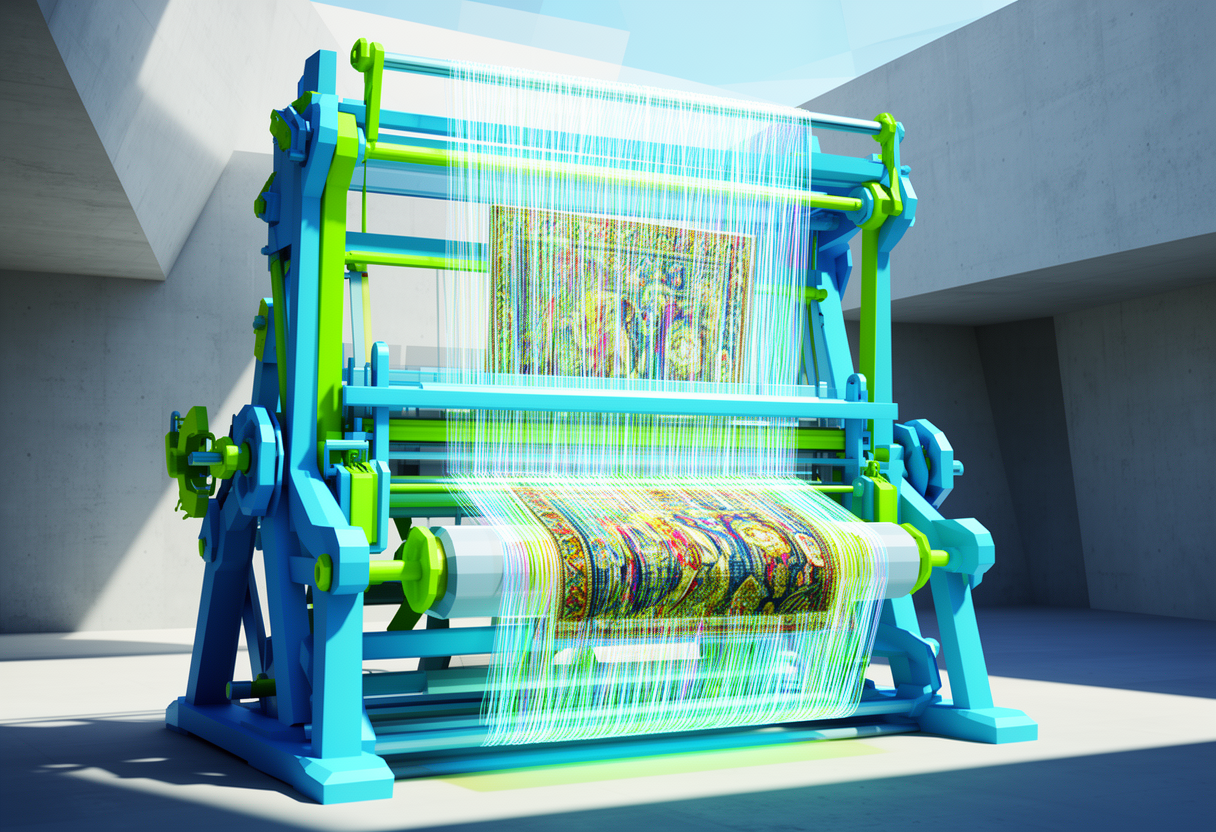
To execute these systems at scale, you need more than a single LLM endpoint. You need a multi-agent architecture. With the open-weight regulatory environment looking favorable and tools like Opus 5 lowering the cost of complex reasoning, we are deploying AI-native content management systems that do more than generate text.
Our modern stacks use predictive APIs to automatically A/B test thousands of AI-generated headline and thumbnail permutations in real-time, self-correcting the live website without human intervention. This shifts AI from a passive creation tool to an autonomous, real-time website editor.
Actionable Steps for Brands:
- Migrate to Open-Weight Stacks: Prepare your infrastructure to host models locally. The pushback against US open-weight restrictions means you can soon run high-complexity models without API latency or censorship limits.
- Shift to Curation-First Production: Stop trying to replace your creative team with AI. Instead, train them to act as systems managers who orchestrate automated workflows and manually correct AI failures.
- Structure for Copyrightability: Never rely on raw AI outputs as your final deliverable. Ensure your workflow includes a human-arranged composite stage so your brand actually owns the IP it publishes.
The tools are finally catching up to the vision. By combining Opus 5's agentic reasoning with robust, local-hosted content automation, brands can scale their AI UGC efforts faster and more legally securely than ever before.