AI UGC in 2026: Automating Creative at Scale
The AI marketing landscape in 2026 has fundamentally shifted. We are no longer debating whether to use AI for content creation; we are optimizing how efficiently we can deploy it. For brands at HybridAI Media, the focus has moved from experimental pilots to industrial-scale automation. The days of manually prompting a single video ad are over. Now, the goal is to build systems that generate, test, and refine AI UGC (user-generated content) with minimal human intervention, leveraging the latest in open-weight efficiency and hardware optimization.
The Shift to Local Inference and Cost Efficiency
In 2026, the most actionable trend for creative agencies is the move away from overpriced frontier API calls toward local inference stacks. With the rise of Qwen 3.8 variants, specifically the Flash-Next quantizations, we are seeing massive models run efficiently on consumer-grade hardware. This isn't just a technicality; it’s a margin play. By running our inference locally via vLLM, we reduce per-video costs by up to 60%, allowing us to produce higher volumes of creative assets without blowing the budget.
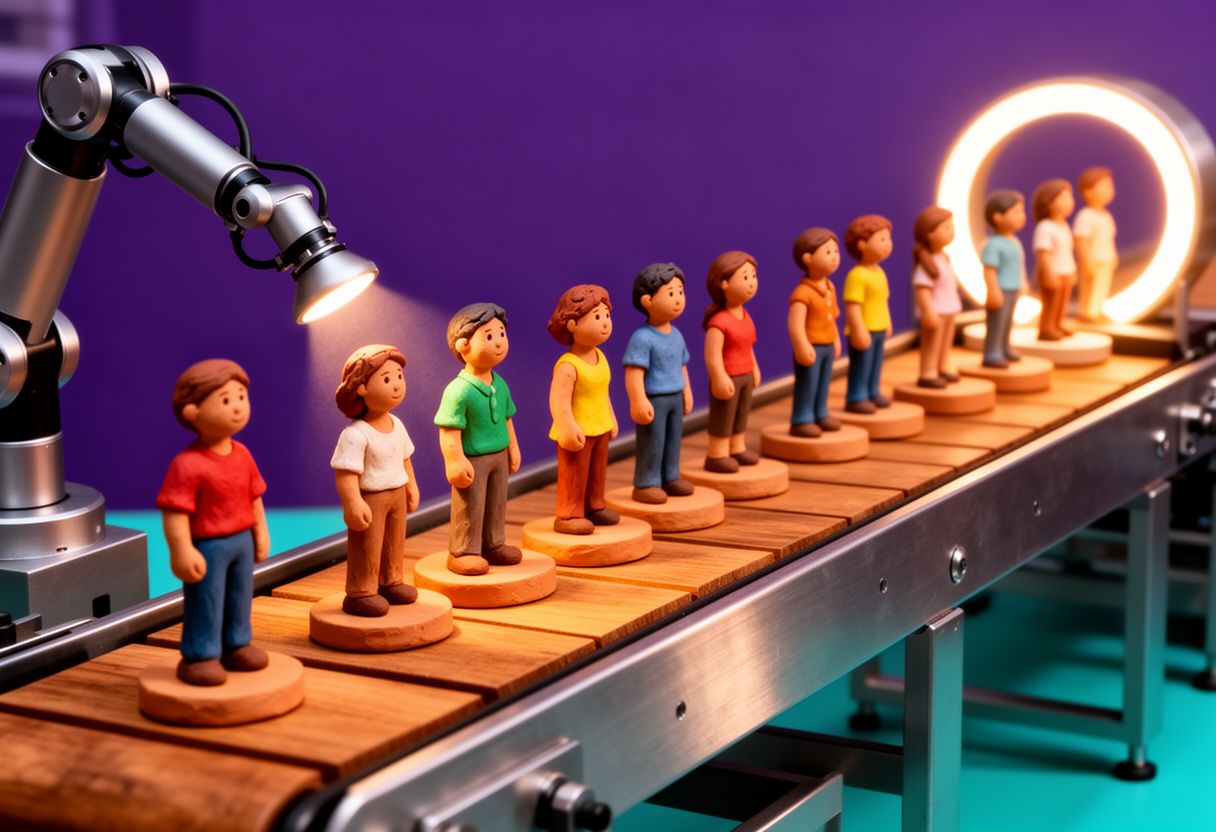
This efficiency is critical because the bottleneck in AI video has shifted. In the early days, the challenge was generation. Now, the challenge is temporal consistency. As noted in developer case studies from the Runway Gen-2 and Pika Labs eras, the hard problem was never creating the first frame, but keeping the same character looking like the same person in the next second. This 'morphing' issue created a new niche of prompt engineers specializing in identity maintenance. In 2026, our local stacks are fine-tuned to handle this consistency, ensuring that the AI actors in our UGC ads don't glitch or shift features between cuts.
Building the Automated UGC Pipeline
A modern AI marketing strategy in 2026 requires a fully automated workflow. We don't just generate video; we generate, caption, schedule, and analyze. The pipeline starts with a simple input: a product URL or a brief. From there, the system triggers a series of agents:
- Script Generation: An LLM analyzes the product's USPs and generates 10 distinct UGC-style scripts, varying hooks and pain points.
- Visual Generation: Using our local Qwen 3.8 stack, we generate high-fidelity video clips. We specifically focus on 'functional' content—demonstrations, unboxings, and how-tos—where AI UGC performs best. Trust-dependent content, like testimonials, still benefits from human input, but functional demos are now indistinguishable from real user footage to the average viewer.
- Voice and Audio: This is where the 'uncanny valley' still lingers. Brand trust studies show a 20-30% higher drop-off rate when AI voices lack subtle breath sounds or micro-pauses. Our 2026 stack automatically injects these imperfections, adding natural breaths and slight hesitations to make the voiceover feel human, not robotic.
- Distribution and Testing: The final videos are pushed to a staging environment for A/B testing. This is where the 'hybrid' workflow shines.
The Hybrid Workflow: AI Volume, Human Refinement
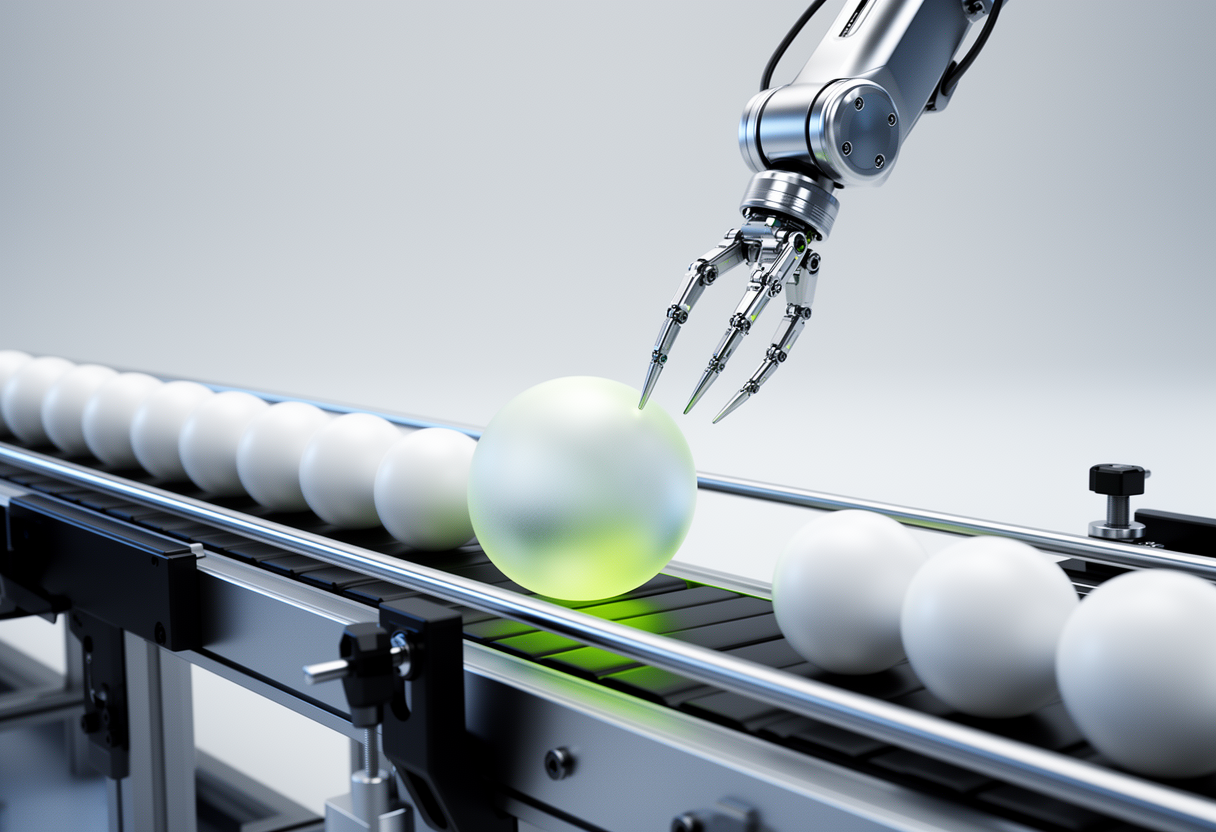
The most effective AI marketing strategy in 2026 is not full automation, but a hybrid model. AI generates high-volume variations for A/B testing, but human designers only refine the top 5% of performers. This approach reduces creative production costs by up to 40% in agency reports, as the labor-intensive 'testing phase' is industrialized by AI, while the 'creative polish' is reserved for what actually works.
This method also mitigates the 'AI slop' backlash. Remember the 2023 Midjourney v5 release? It introduced a distinctive 'digital sheen' to skin textures that became a visual fingerprint for audiences to spot AI-generated imagery. In 2026, we are far past that. By using local, fine-tuned models and focusing on functional content, we avoid the generic, overly-polished look that signals 'AI' to the eye. We prioritize natural lighting, slight camera shake, and authentic pacing.
Strategic Implications for Brands
For brands looking to adopt this in 2026, the key is not to replace your creative team, but to arm them with better tools. The value of AI is in the testing phase, not the final artist role. By automating the generation of 50 variations, your team can focus on the 5 that drive results. This is the essence of content automation: it’s not about removing humans; it’s about removing the busywork.
As we move deeper into 2026, the brands that win will be those that treat AI UGC not as a novelty, but as a core infrastructure component. They will be the ones who have optimized their local inference costs, solved the temporal consistency problem, and implemented a hybrid workflow that balances AI speed with human insight. The future of AI marketing is not about more AI; it’s about smarter, faster, and cheaper creative iteration. That is the standard we are setting at HybridAI Media, and it is the standard your brand should be aiming for now.