AI UGC & Automation: The 2026 Scale Play
The 2026 Shift: Why AI UGC Is No Longer Optional
If you are still treating AI-generated content as a novelty experiment in 2026, you are already behind. The landscape has shifted dramatically from the "wow factor" of early generative AI to a mature, production-ready infrastructure. Today, with major model releases from OpenAI and xAI intensifying frontier competition, the barrier to entry for high-quality creative has collapsed. But the real opportunity isn't just in generating assets—it's in automating the entire lifecycle from concept to publication.
At HybridAI Media, we’ve seen brands struggle not with creativity, but with consistency. The solution isn't hiring more humans; it's building AI-native systems. Here is how to leverage AI UGC and content automation to dominate your niche this year.
From Novelty to Production Reliability
Last year, AI video generation was often inconsistent, requiring hours of manual tweaking. In 2026, the technology has stabilized. Enterprise-grade tooling now handles voice synchronization, lip-syncing, and contextual awareness with near-perfect accuracy. This maturity means you can move from "one-off experiments" to "scalable systems."
The recent mega-rounds in AI infrastructure signal that investors and enterprises are betting on agentic platforms—systems that don't just create content but manage it. For brands, this means the focus shifts from making videos to managing the pipeline. The goal is no longer just to produce AI UGC (User-Generated Content); it is to produce it at a volume and speed that human teams simply cannot match.
Building the Automated UGC Workflow
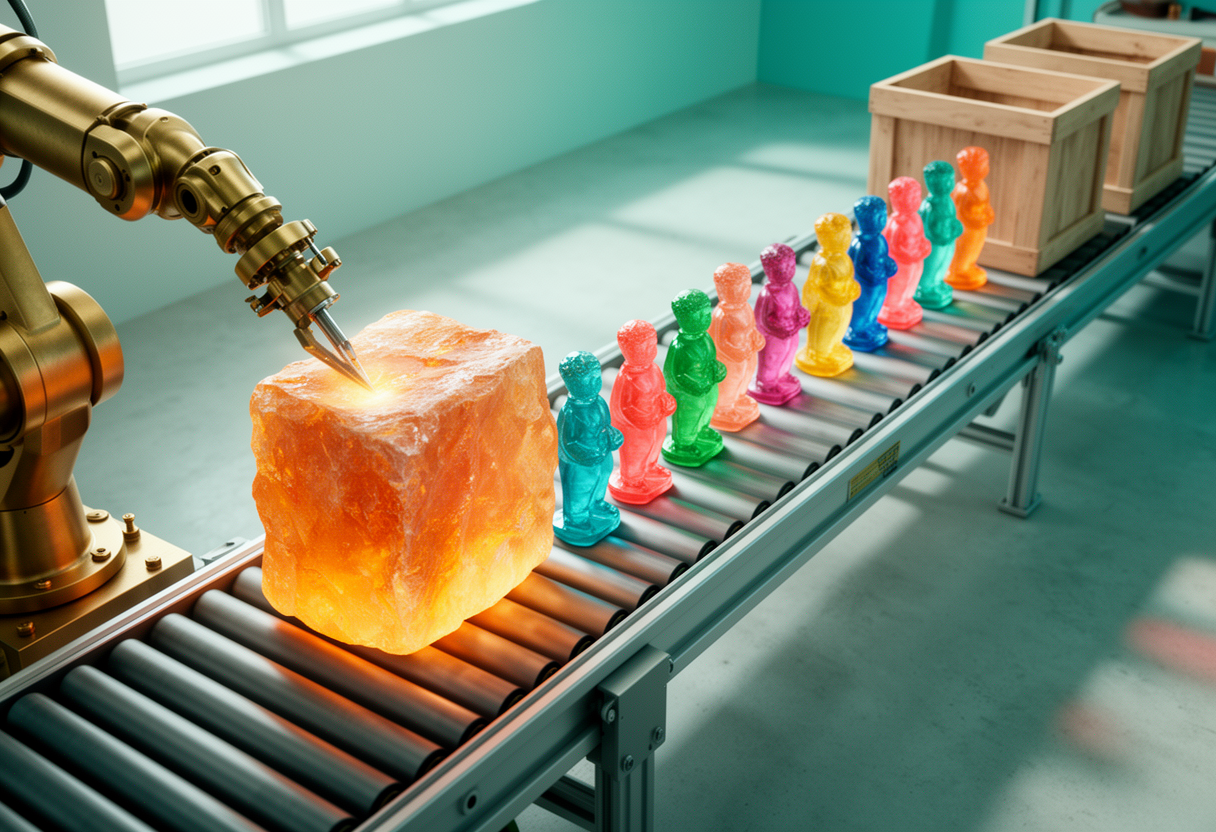
The most successful brands in 2026 are using automated workflows to go from script to social post in minutes. This isn't about replacing human creativity entirely; it's about removing the friction between idea and execution.
1. Script Generation with Contextual AI
Start with a robust prompt engineering strategy. Use large language models to generate multiple script variations tailored to specific audience segments. Unlike generic templates, 2026-era models can analyze your brand voice, current trends, and historical performance data to create highly relevant hooks. This ensures that every piece of content has a strategic foundation before it ever hits the video generation stage.
2. AI Actor Selection and Video Generation
Platforms like MakeUGC and Creatify AI have streamlined the video creation process. You no longer need to cast actors or book studios. Instead, you select from a library of diverse, realistic AI avatars or use your own brand representatives if they are digitized. The key is speed: write your script, choose your actor, and generate the video in under two minutes. This rapid iteration allows you to A/B test dozens of creative angles simultaneously.
3. Automated Posting and Distribution
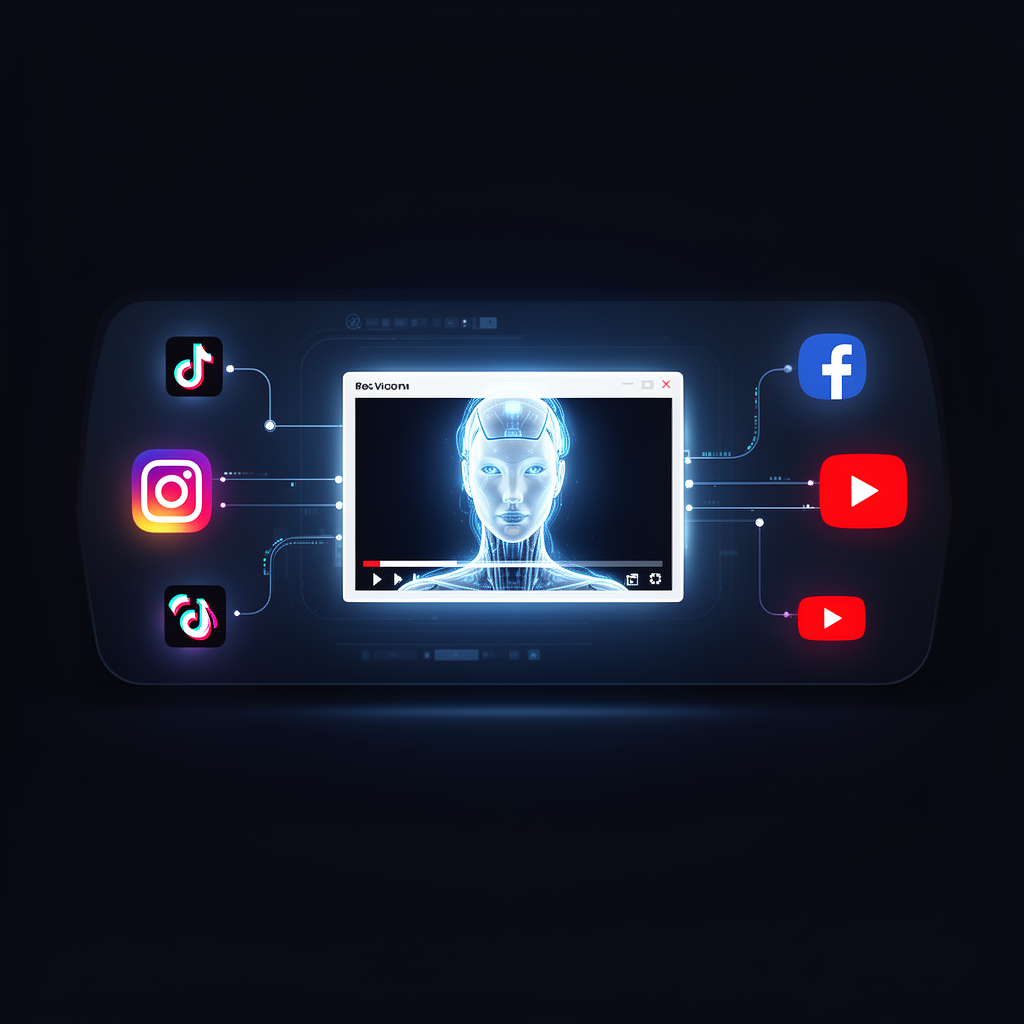
Generating the video is only half the battle. The second half is distribution. Connect your AI video generation tools to social media management platforms via API. Set up triggers so that when a new video is generated, it is automatically scheduled, captioned, and posted to TikTok, Instagram Reels, and YouTube Shorts. This "set it and forget it" approach ensures consistent presence without daily manual labor.
Why AI UGC Outperforms Traditional Ads
Consumers in 2026 are increasingly ad-blind. They scroll past polished, corporate-produced ads with skepticism. AI UGC, however, mimics the authentic, raw aesthetic of real user reviews and testimonials. This "lo-fi" feel builds trust and drives higher engagement rates.
By using AI to create UGC-style content, brands can:
- Scale Personalization: Create unique videos for different demographics or regions without additional production costs.
- Increase Volume: Post daily instead of weekly, keeping your brand top-of-mind.
- Test Rapidly: Identify winning hooks and formats in real-time, then double down on what works.
The Role of AI Agents in Content Strategy
The future of AI marketing is agentic. Instead of manually jumping between tools, AI agents can now oversee the entire content lifecycle. These agents can monitor performance metrics, automatically adjust posting times, and even regenerate underperforming content with improved scripts or visuals.
For example, an AI agent might notice that a specific type of AI UGC video is performing poorly on Instagram but well on TikTok. It could then automatically adapt the aspect ratio, tweak the caption, and repost the content on the better-performing platform. This level of dynamic optimization is only possible with integrated, automated systems.
Getting Started in 2026
If you want to leverage AI UGC and content automation, start small but think big. Here is a practical roadmap:
- Audit Your Current Process: Identify bottlenecks in your content creation workflow. Where are the delays? Where is the manual repetition?
- Choose Your Tools: Select AI video generation platforms that integrate well with your existing tech stack. Look for tools that offer API access for automation.
- Build Your First Automated Workflow: Start with a single campaign. Generate scripts, create videos, and automate posting. Measure the results.
- Scale and Optimize: Once you have a working system, expand it. Add more AI actors, increase the volume of content, and integrate more advanced AI agents for performance optimization.
Conclusion
The competitive advantage in 2026 belongs to brands that embrace AI-native content creation. AI UGC and content automation are not just cost-saving measures; they are growth engines. By building robust, automated workflows, you can produce high-quality, authentic content at scale, outpacing competitors who are still stuck in manual processes. The technology is ready. The question is: are you?
At HybridAI Media, we help brands build these exact systems. Let’s automate your creative output and scale your impact.